Visiting Switzerland can be expensive, but the largest avoidable costs usually come from choosing transport and accommodation before matching them to the actual itinerary. Start with the journeys you will make, the dates that must remain flexible and the reservations that sit outside a rail ticket. Only then compare passes, point-to-point tickets and saver products.
Choose transport for the trip you are actually taking
A pass is not automatically cheaper, and the lowest advertised ticket is not automatically the best purchase. A fixed journey booked early has a different answer from a flexible multi-city holiday. Write down each long-distance journey, local transfer, mountain railway and scenic-train reservation before comparing totals.
| Travel pattern | Start by comparing | Main condition to check |
|---|---|---|
| One fixed long-distance journey | Point-to-point and supersaver tickets | Whether the ticket is tied to a particular connection and what refund rules apply |
| Several journeys on one day | A Saver Day Pass against the combined individual fares | Availability, validity area and any connecting mountain transport outside the included network |
| Repeated travel over a month | The visitor Swiss Half Fare Card against full-price tickets | Eligibility and whether the savings across all journeys exceed the card cost |
| Frequent travel across several days | Swiss Travel Pass options against the priced itinerary | Included days, museums, local transport, mountain discounts and reservation supplements |
SBB says Saver Day Passes are quota controlled and normally reward earlier booking. Supersaver tickets may be tied to the selected connection, while visitor products such as the Swiss Travel Pass and Swiss Half Fare Card have their own eligibility and validity rules. Check the live conditions immediately before paying.
Treat scenic-train tickets and reservations separately
Panoramic journeys can involve two separate costs: the fare that lets you travel over the route and a reservation or supplement for a particular panoramic carriage. A discount card may reduce the fare without reducing the reservation. That distinction matters when comparing first and second class or deciding whether a regular regional train over the same railway is a better fit.
Our Bernina Express budget guide shows the calculation we used, why we still chose first class and which reservation cost remained outside the Half Fare Card discount.
Protect flexibility where disruption would hurt most
The cheapest fare can become expensive when a flight moves, a connection is missed or weather changes a mountain day. Read the change and refund rules before buying. For flights, compare the small saving from an intermediary with the practical cost of having another company between you and the airline when a cancellation or refund needs attention.
Budget beyond the headline fare
- Check whether airport transfers, city transport and the final mountain connection are included.
- Price seat reservations, luggage, class upgrades and booking fees separately.
- Compare refundable and non-refundable options using the amount you could actually lose.
- For families, check the current child-travel rules for the exact adult ticket or visitor pass.
- Use the provider’s own checkout total and conditions as the final source of truth.
Current visitor guides
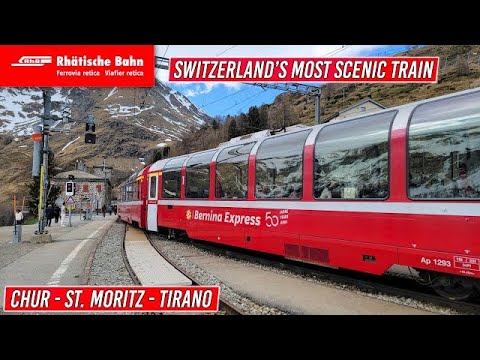
The Bernina Express on a budget: how we rode first class with the Half Fare Card
The Bernina Express is genuinely as scenic as the photos promise: glacier views, the Landwasser Viaduct, and the switchback climb over the Bernina Pass…
Official planning sources
- SBB offers and travel guidance for visitors from abroad
- SBB Saver Day Pass conditions and current prices
- SBB Supersaver Ticket conditions and current prices
- Switzerland Tourism transport planning
Sources checked 11 August 2026. Recheck live prices, eligibility, validity and refund conditions before purchase.